The connection between coal-fuelled Nazi fighters & today’s diesel crisis
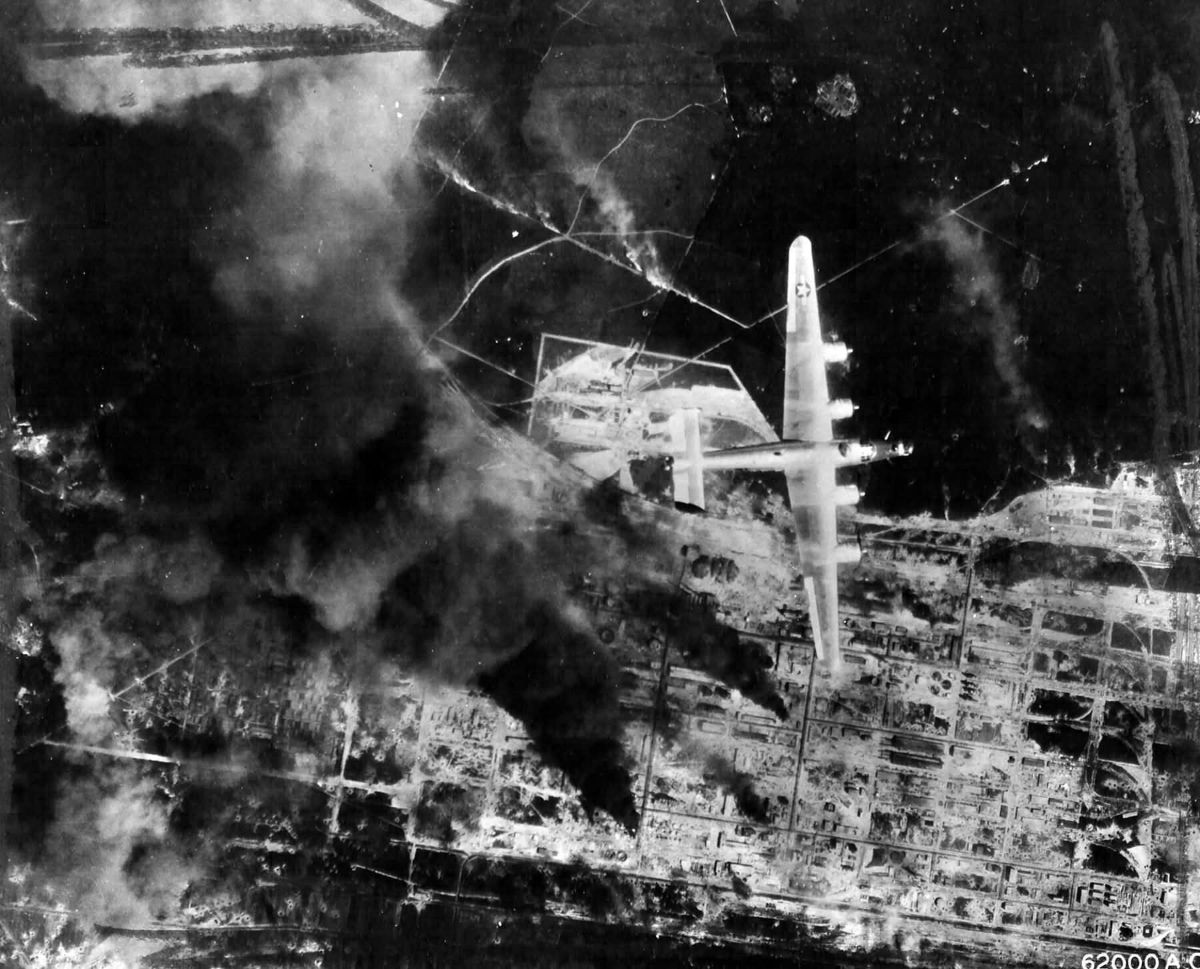
On May 12, 1944, the US Eighth Air Force flew bombers into central Germany with an unusual target list.
Welcome to the third edition of this American Capital series.
Last week, we looked at the era of currency chaos.
After Andrew Jackson killed America's only national bank in 1836, individual states filled the vacuum. Thousands of private banks issued their own currencies, of wildly uneven quality, and panics hit the financial system roughly every twenty years.
By 1863, wartime pressure had forced Congress to create a single national currency, the greenback. But that fix solved only part of the problem.
There was still nobody to stop the bank and business collapses that followed the recurring crises of confidence.
It would take one more catastrophic collapse — and one man's private fortune — to finally change that.
In October 1907, brothers Augustus and Otto Heinze, together with a financier named Charles Morse, attempted to corner the market in a mid-sized company called United Copper.
They planned to buy up enough shares to control the price, forcing short-sellers — investors betting the price would fall — to buy back stock at whatever price the Heinzes demanded.
It failed almost immediately. Short-sellers found shares elsewhere, the price collapsed, and Otto Heinze's brokerage firm went under within two days.
And this was just the beginning.
The Heinzes controlled a Montana bank and had close ties to several New York trust companies — institutions that operated much like banks, taking deposits and making loans, but with far less regulation.
Depositors at those institutions started to worry: if the men running their trust had just lost a fortune on a copper bet, what else had they done with the money sitting in the vault?
They started withdrawing. Fast.
The United Copper panic reached Knickerbocker Trust, New York's third-largest trust company, when it emerged that its president had personal ties to the Heinze scheme. On 22 October 1907, Knickerbocker's line of depositors stretched down the block. By that afternoon, the trust had run out of cash and shut its doors.
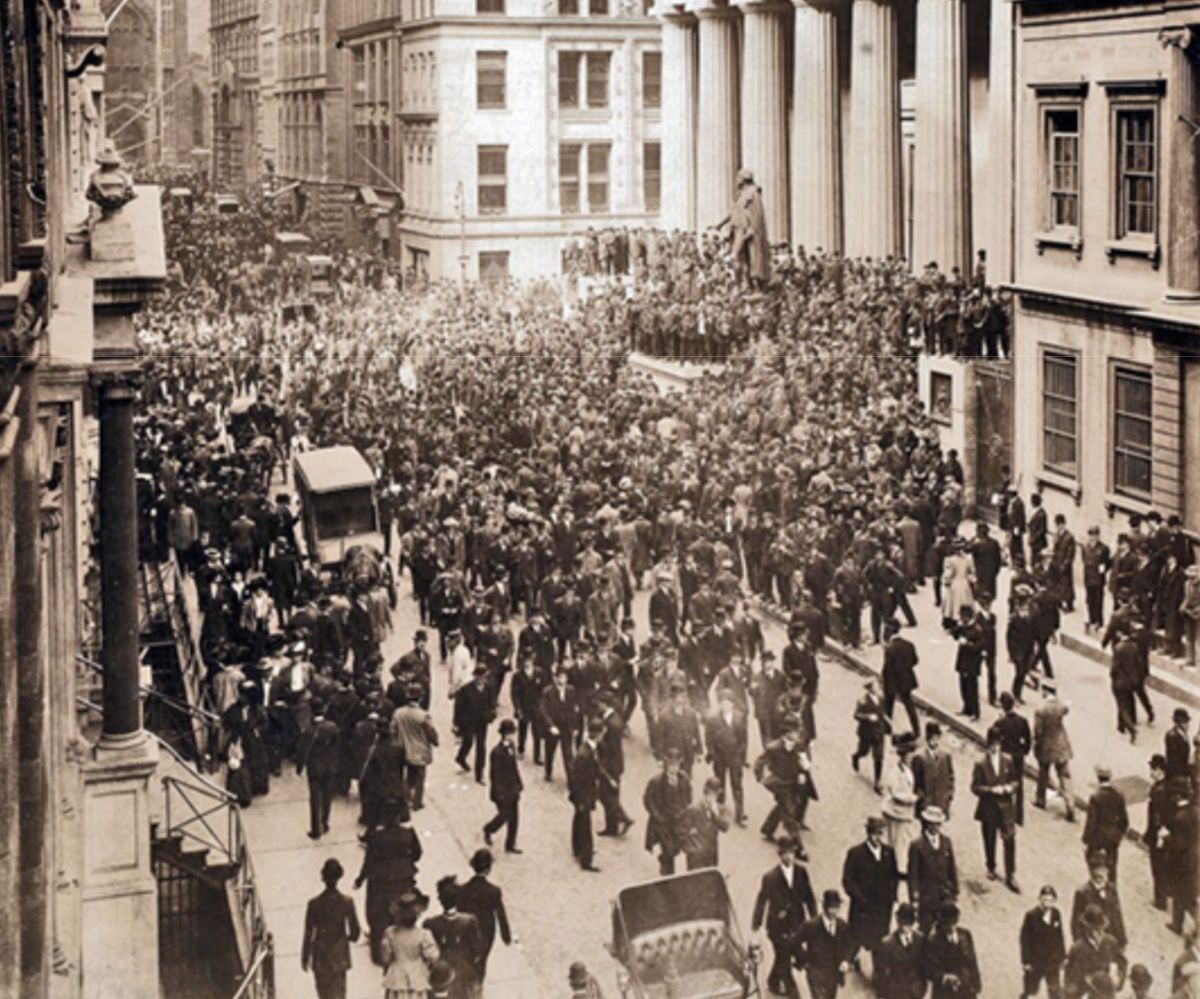
New York had no institution built to stop what happened next. There was a clearinghouse — a private association banks used to settle payments with each other — but trust companies weren't members, and the clearinghouse had no obligation, and no real mandate, to save them.
Fear spread faster than anyone could verify who was actually solvent. Within days, runs hit other trusts across the city. The interest rate for overnight loans between banks — usually around 9-10% — spiked to 70%, then 100%. The New York Stock Exchange itself came close to running out of cash to settle trades.
The country's financial capital was on the verge of seizing up, and there was no Federal Reserve, no Treasury facility, no government mechanism to stop it.
J.P. Morgan was, by 1907, the most powerful private banker in the United States.
He’d built General Electric and U.S. Steel, and was the closest thing Wall Street had to a central authority, despite holding no official position.
On the night of 19 October, as the panic accelerated, Morgan summoned the city's leading bank and trust presidents to the library of his Manhattan mansion. He’d had his own accountants examine each institution's books, sorting the trusts worth saving from those he judged beyond help.
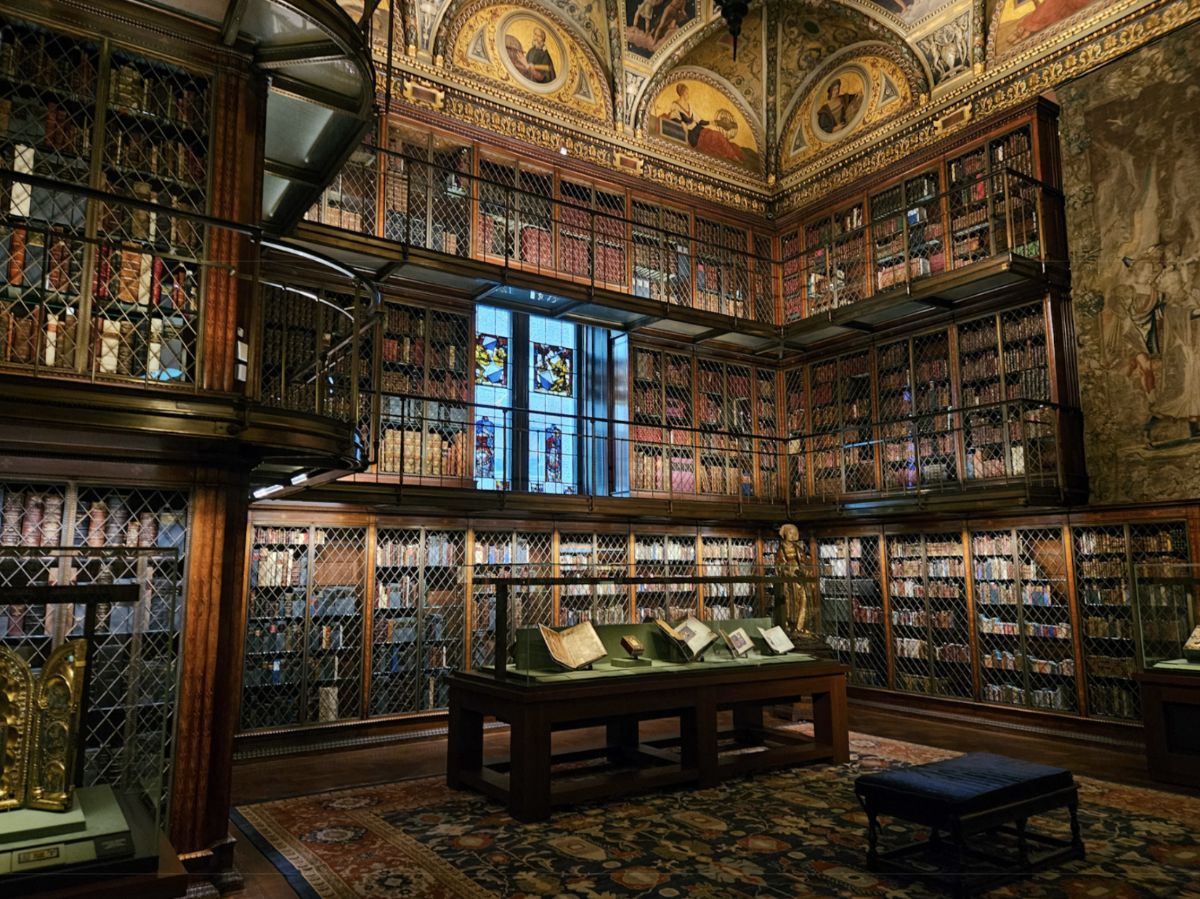
Morgan locked the doors and kept them in the library until the small hours of the morning, pressuring them to personally commit tens of millions of dollars to a rescue fund for the trusts he'd deemed solvent.
He pledged a substantial sum of his own money first. Treasury Secretary George Cortelyou, who Morgan had also summoned, committed $25 million in federal deposits to New York's banks. John D. Rockefeller separately pledged $10 million of his personal fortune.
By the next morning, the immediate panic had broken. Knickerbocker itself was allowed to fail — Morgan's examiners had judged it unsalvageable — but the run on the rest of the system stopped.
One private citizen had stepped up and done the job of a central bank.
The United States had just discovered that bringing its financial system back from the brink had depended on the willingness, personal fortune, and clout of one 70-year-old banker.
But Morgan wouldn't live forever. There was no guarantee a figure of his stature, wealth, and willingness to act would be around the next time a financial crisis posed such an existential threat.
So in 1908, Congress created the National Monetary Commission, chaired by Senator Nelson Aldrich, to study how other countries handled this problem and to propose an American solution.
It took the Commission two more years to arrive at an answer — and that answer was drafted in almost total secrecy.
In November 1910, Aldrich invited five men to join him on what was publicly described as a duck hunting trip off the coast of Georgia: banking executives Henry Davison, Frank Vanderlip, and Paul Warburg, along with a Treasury official, A. Piatt Andrew, and one aide.
To avoid being recognised, the men travelled to the train separately and addressed each other only by first names on the journey south. Their destination was the Jekyll Island Club, an exclusive retreat off the Georgia coast, arranged, most historians believe, through J.P. Morgan's membership.
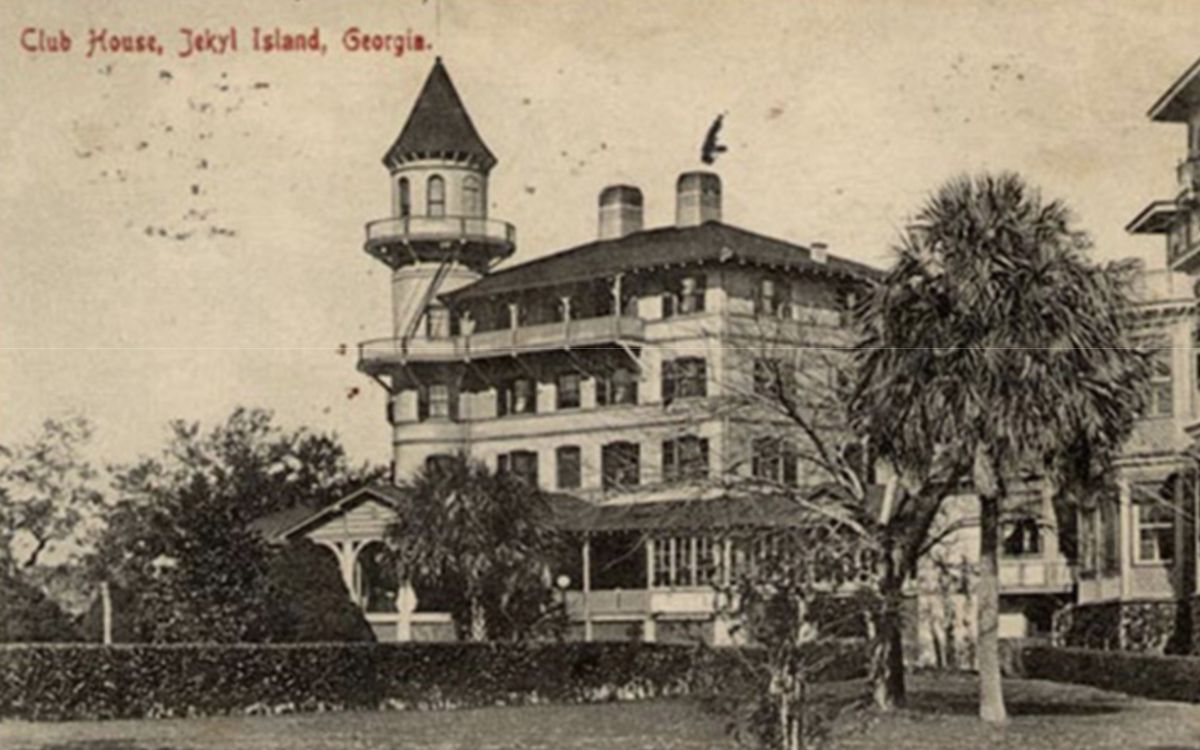
For several days, the group drafted a plan for an American central bank.
The secrecy wasn't paranoia. Americans had a long memory of concentrated financial power, and not a fond one. In 1836, President Andrew Jackson had killed the country's only national bank at the time, convinced it handed too much control to a small circle of wealthy financiers. That suspicion hadn't gone away in the 74 years since. A central bank built by Wall Street's own leading bankers, in secret, on a private island, was exactly the outcome ordinary Americans would have rejected outright if they'd known who was actually writing it.
The participants denied the meeting had taken place for the next twenty years.
The plan that emerged from Jekyll Island became known as the Aldrich Plan. It proposed a National Reserve Association — a central banking authority that would hold reserves for the whole banking system, issue currency, and act as lender of last resort in a crisis. In other words: everything Morgan had done personally in his library, built into a permanent institution.
But it also concentrated control heavily in the hands of the banks themselves.
Congress, after Democrats swept the House in the 1910 midterms and remained deeply suspicious of Wall Street influence, rejected it outright.
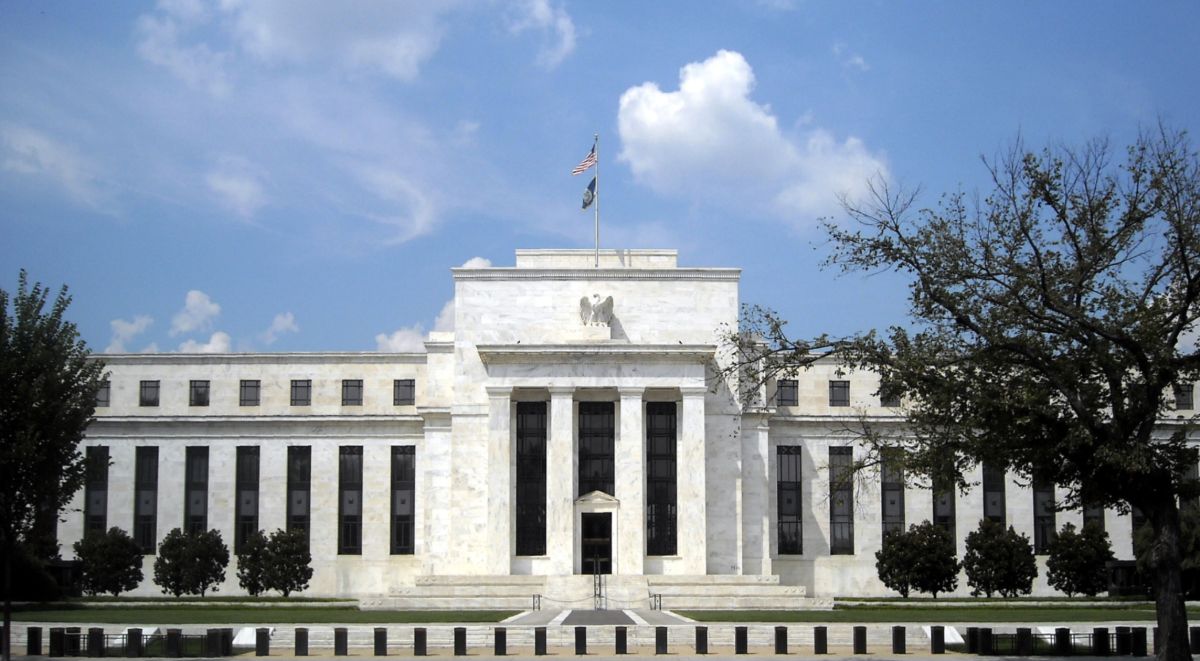
But its technical architecture didn't die. Representative Carter Glass and Senator Robert Owen rebuilt it into a compromise that could survive politically: not one central bank controlled by bankers, but a network of regional Federal Reserve Banks — eventually twelve of them, spread across the country — overseen by a Board of Governors appointed by the President.
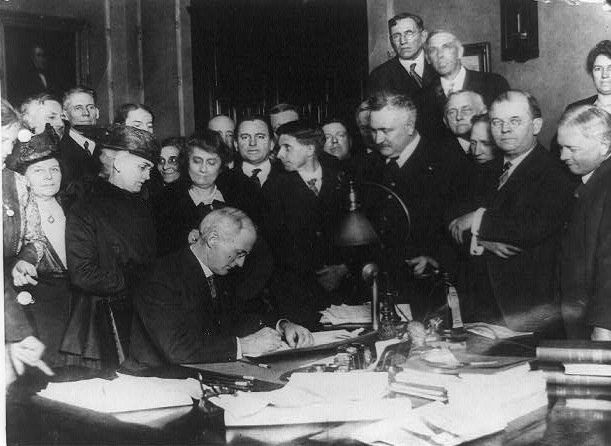
President Woodrow Wilson signed the Federal Reserve Act into law on 23 December 1913 (see the full document here, if you're partial to lengthy tracts of mind-numbing legalese).
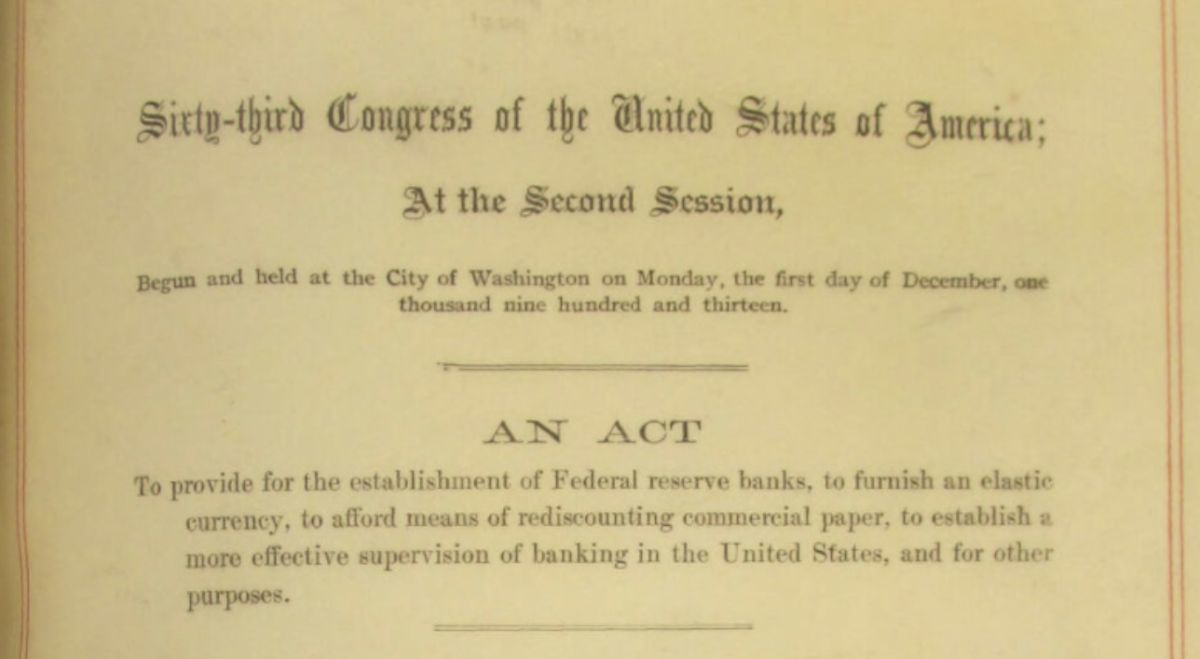
In practice, this gave the new system three powers nobody in America had held since 1836. It could lend to banks in a crisis, acting as the lender of last resort Morgan had been by accident. It could issue a single, elastic currency — able to expand the money supply when the economy needed more cash in circulation, and contract it when it didn't. And it could set reserve requirements, forcing banks to keep a minimum cushion of cash on hand, rather than lending out nearly everything they held, the way free banks had for the better part of a century.
Andrew Jackson killed the Second Bank in 1836, certain the country didn't need a central authority over its money. Seventy-seven years, five panics, and one long night in J.P. Morgan's library later, Congress decided he was wrong.
Next week: the Fed's first real test arrives faster than anyone expected, and a gold-backed dollar starts to buckle under its own promises.
This week's quote:
'I sincerely believe... that banking establishments are more dangerous than standing armies.'
— Thomas Jefferson, letter to John Taylor, 1816
Invest in knowledge,
Thom
The Benchmark
Read more: Part II: Free banking, wildcats, and the railroads built on chaos.
Share: Forward this email to someone you know would appreciate it.
Connect: Add me on LinkedIn
Become a reader:Subscribe to The Benchmark.
Get the next issue
The Benchmark lands free in your inbox every Thursday.
On May 12, 1944, the US Eighth Air Force flew bombers into central Germany with an unusual target list.
On a cold Monday morning in January 2000, two investors sat down at their kitchen tables. They each had $100,000 to invest.
On September 8, a 27-year-old British researcher sat on a park bench in San Francisco’s Alamo Square and announced on X that he’d quit his job.