
The secret history of failed taxes
In the spring of 1381, more than a third of England vanished.
Compared with a count taken four years earlier, the number of taxable adults in the kingdom had dropped by 36%.
There had been no new plague. No famine. No invasion.
These people had simply disappeared.
At least, that’s what the tax records said.
The disappeared 36% were hiding from a poll tax: a flat charge on every adult, levied per head (‘poll’ is an old word for head), rather than on land, income or property.
The crown wanted one shilling from every person 15 and older. For a ploughman earning around 13 shillings a year, a family of four meant handing over several months’ wages.
So the villages of England lied about how many people lived in them.
We tend to think of tax as something governments do to us with impunity. That taxpayers are helpless victims of the state in which they live and work.
But there’s a secret 650-year history which suggests that taxation only works for as long as taxpayers agree to it.
In fact, the thing that stops people going along with it is rarely how much they’re being asked to pay.
Roadblocks > petitions
In May 2018, Priscillia Ludosky, a small-business owner from the outskirts of Paris, launched an online petition.
The French government was raising taxes on fuel as part of its climate policy, adding 2.9 euro cents per litre to petrol and 6.5 euro cents to diesel from January 2019.
A rounding error for city dwellers with metro cards. But a pay cut for rural workers who drove long distances every day.
The petition gathered almost a million signatures. The government pushed the tax anyway.
Then, on November 17, 2018, a movement broke out: the gilets jaunes, or ‘yellow vests’, named after the high-visibility jackets French drivers are legally required to keep in their cars.
They didn’t march politely. They occupied roundabouts and blockaded roads across the country.
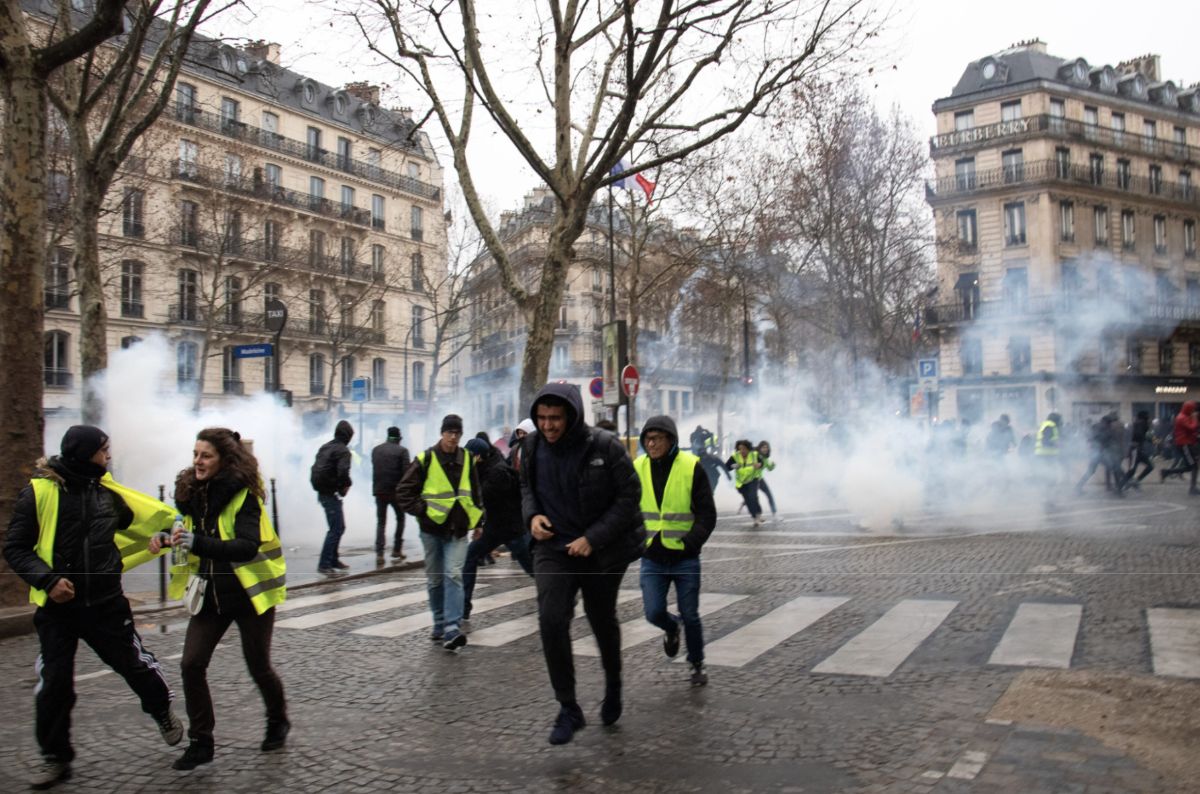
Within weeks, cars burned in Paris and the Arc de Triomphe was vandalized. One weekend alone brought 130,000 protesters and more than 580 roadblocks.
Retailers, hotels and restaurants reported revenues falling by up to 50%.
Then, on December 4, the government suspended the fuel tax rise. Prime Minister Édouard Philippe said no tax was worth threatening the unity of the nation.
They scrapped it altogether the next day.
Not only did they ditch the tax, but President Emmanuel Macron added a €100 boost to the minimum wage and replied directly on Ludosky’s petition page, telling her she was right.
Three weeks of roadblocks changed everything, while the six months of growing petition signatures did not.
Chancellor taxes own head off
Back to 1381 and the poll tax.
England was fighting the Hundred Years’ War against France, and it was going badly.
Parliament had already imposed two poll taxes in three years. The third, set in late 1380, was the harshest.
When the money didn’t arrive — 36% of the population had vanished, remember — the government sent commissioners into the counties to hunt down the non-payers and get the money.
On May 30, 1381, villagers in Essex drove one of them out. Within days, Kent had risen too, and the rebellion spread across the south-east.
Rebels freed John Ball, a radical preacher jailed for sermons on equality, and marched on London under a leader named Wat Tyler.
They burned the palace of John of Gaunt, the most powerful noble in England.
Then, they took their grievance all the way to the top.
The rebels held the Archbishop of Canterbury and Lord Chancellor, Simon Sudbury, responsible for the tax.
They stormed the Tower of London, where they found the archbishop saying mass in St John’s Chapel.
They dragged him outside to Tower Hill, where, by one later account, they beheaded him with eight brutal sword blows (these people weren’t professional swordsmen, apparently), then stuck his head on a pole on London Bridge.
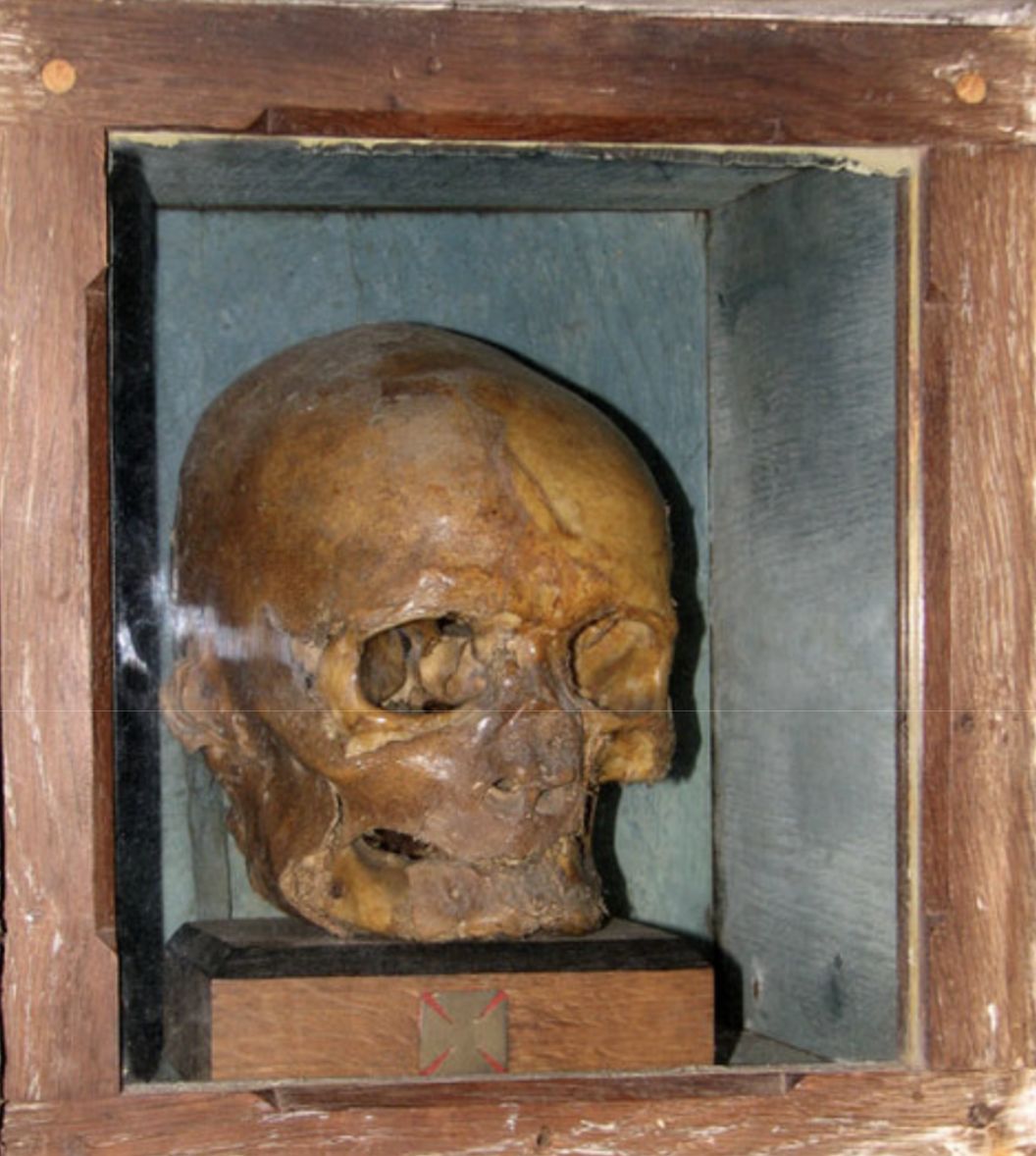
King Richard II was just 14 years old. He met the rebels and promised them almost everything they demanded. Then he watched as their leader, Wat Tyler, was cut down. The king withdrew his promises and hunted down the rebellion's other leaders.
By any military measure, the rebels lost.
But England did not levy another poll tax for nearly 300 years.
In 1990, Margaret Thatcher’s government replaced local property rates with a flat per-adult charge, officially called the Community Charge.
But everyone called it the poll tax. Millions refused to pay, 200,000 people marched on London, and the tax was abolished within three years of its launch.
When cheap tea ends up costing a colony
People like to frame the American Revolution as a tax revolt. But the real story is stranger.
Britain won the Seven Years' War against France in 1763, but ended it deeply in debt. Part of that war had been fought to defend the American colonies, so London decided the colonists should help pay.
They were hardly overtaxed. By 1775, Britons handed about a fifth of their economic output to the government. New Englanders paid just 1–2% of their income.
The 1765 Stamp Act, the first direct tax on the colonies, required newspapers, legal documents and even playing cards to carry an official stamp. Colonial activists called the Sons of Liberty harassed anyone who agreed to sell the stamps, and the tax became unenforceable. Parliament repealed it a year later.
Then came the 1773 Tea Act, a bailout for the struggling East India Company, Britain’s state-backed trading giant. This let the company sell its surplus tea directly to the colonies through its own agents, cutting out local merchants.
For years, many colonists had refused to buy British tea because it carried a small tax. They drank cheaper smuggled Dutch tea instead.
But the Tea Act changed the maths. British tea, tax included, was now cheaper than the smuggled stuff.
London was betting that colonists would choose the cheaper tea, and in doing so, pay the tax.
Boston refused to take the bet. Colonists dumped 342 chests of British tea into the harbour.
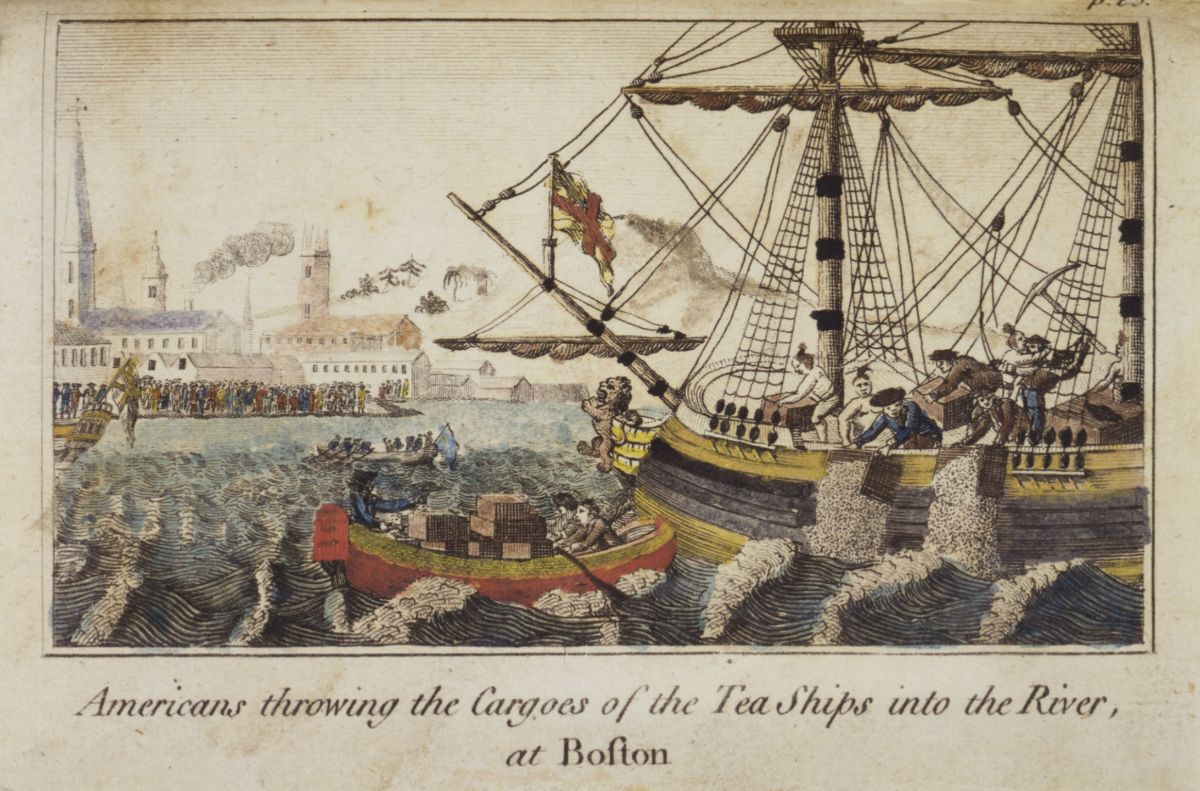
The fight was over consent. The colonies had no seats in Parliament, so, in their view, Parliament had no right to tax them at any rate. Accepting a small tax meant accepting a large one later.
London answered with punishment, and the dispute became a war. In 1778, after a British army surrendered at Saratoga, Parliament promised never again to tax the colonies for revenue.
By then, the colonists wanted independence.
A window to the weird world of taxation
In 1696, King William III needed — surprise, surprise — money.
He introduced a tax based on the number of windows in a house, partly to cover revenue lost to coin clipping, the practice of shaving silver off coins. The logic was that more windows meant a larger, more valuable home, and therefore a wealthier owner.
The English responded with bricks. Property owners walled up windows to avoid the tax, and new homes were built with fewer of them.
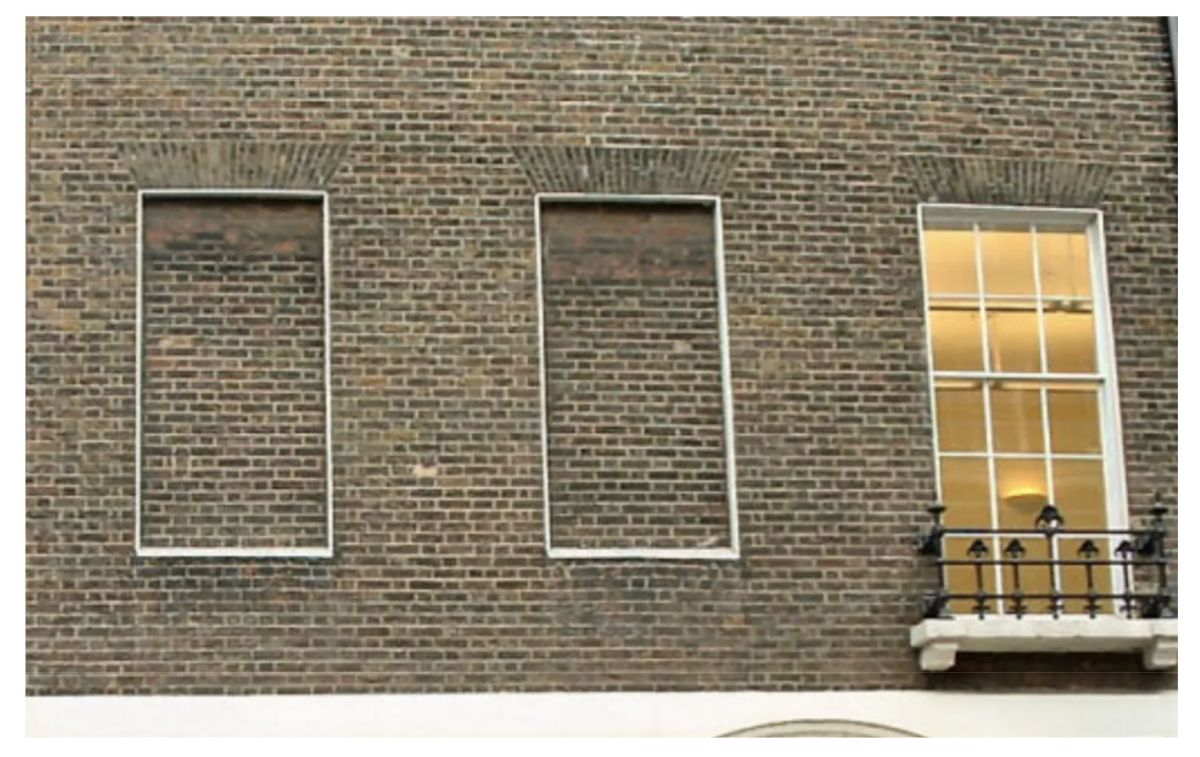
The cost fell on those with the least say. Poor families in large tenement buildings were taxed as a single unit, and the resulting lack of light and air was linked to typhus, smallpox and cholera.
After pressure from doctors and others who argued that darkness was making people sick, the tax was repealed in 1851. It had lasted 155 years.
Are bond vigilantes the new tax rebels?
Today, the most effective tax rebellion needs no pitchforks. Bond vigilantes are investors who punish governments they see as reckless by selling their debt.
In September 2022, new UK Prime Minister Liz Truss and her Chancellor, Kwasi Kwarteng, announced £45 billion in unfunded tax cuts, including scrapping the top 45% income tax rate.
Nobody marched. Instead, investors sold UK government bonds, known as gilts, driving up the government’s borrowing costs. The pound fell to a record low against the US dollar. Pension funds came close to collapse, and the Bank of England had to step in.
Within ten days, the top-rate cut was reversed. Kwarteng was sacked. Truss resigned after just 44 days as Prime Minister.
The bond market had refused to fund the policy. And like the villagers of 1381, it did not need to win the argument. It only needed to stop cooperating.
The quiet truth behind every tax system
Line these episodes up and a pattern appears.
Most of the taxes that sparked them were small.
What they shared was a sense of unfairness.
A shilling a head, which could cost a ploughman a month's wages but a landowner almost nothing.
A fuel tax that city dwellers barely noticed and rural workers felt every day.
A levy imposed by a Parliament the colonists had no seat in.
And what ended them was, in one form or another, refusal.
Every tax system rests on something no government can legislate: the willingness of people to pay (and right now in certain high-tax countries, fewer and fewer people are willing).
Most of the time, that willingness is so reliable that nobody notices it. We grumble, we file, we pay.
But it can be withdrawn. By villagers who lie about who lives with them. Residents who brick up their windows. Drivers who block the roads, or investors who sell bonds.
Governments can win the fight when that happens. What they can't do is force millions of people to cooperate.
Taxation has always been a negotiation, even when only one side seems to be talking.
This week's quote:
'There is no art which one government sooner learns of another than that of draining money from the pockets of the people.'
— Adam Smith, The Wealth of Nations
Invest in knowledge,
Thom
The Benchmark
Read more: 28 years later: Australia's capital gains gambit
Share: Forward this email to someone you know would appreciate it.
Connect: Add me on LinkedIn
Become a reader:Subscribe to The Benchmark.
Enjoyed this issue?
Subscribe to The Benchmark
Weekly insights on markets, investing, and portfolio strategy.