
A brief history of bond market free speech
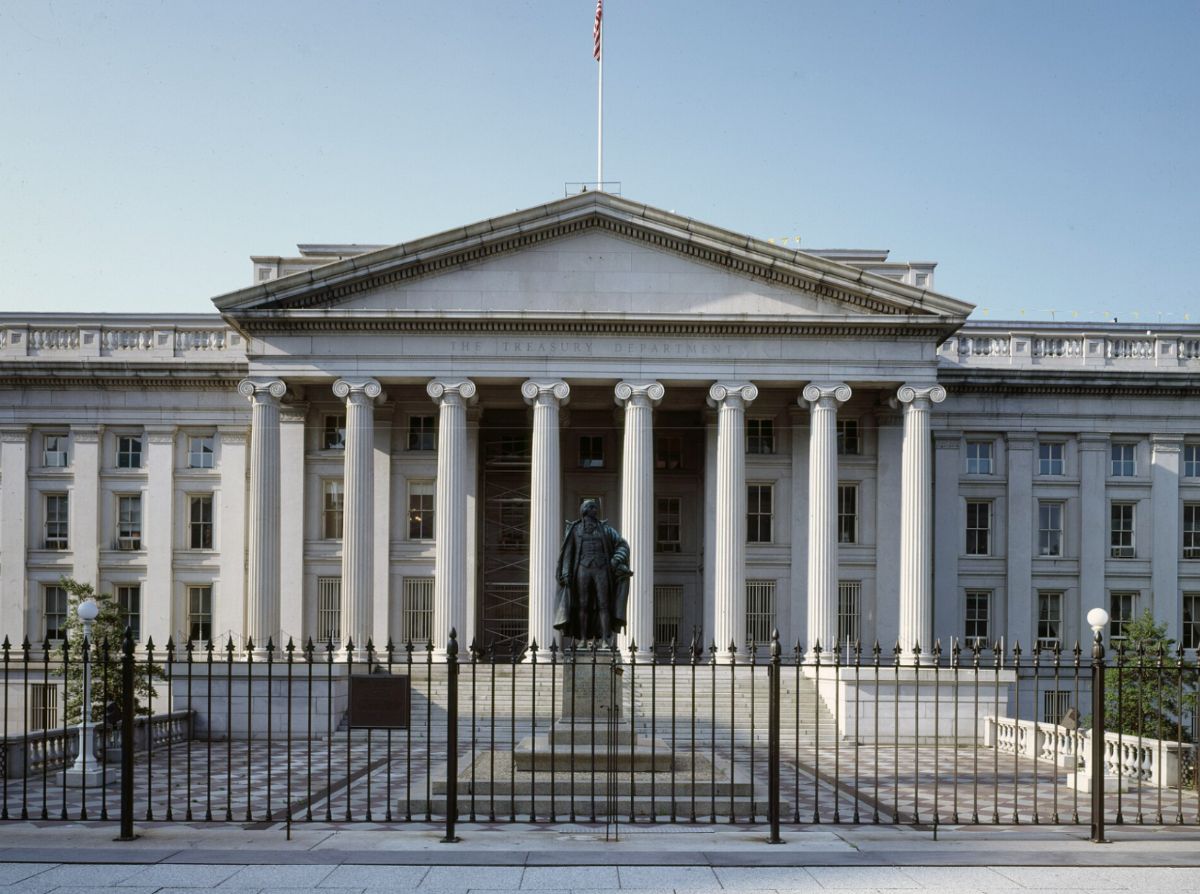
On the morning of August 19, the United States Treasury announced it would start buying back its own debt at twice the previous rate.
Up to $4 billion per operation, from $2 billion. Long-dated bonds — the ten, twenty and thirty-year varieties.
A buyback is what it sounds like. The government goes into the market and purchases its own outstanding bonds.
Of the US’s $40 trillion in debt, about $31 trillion is the bond market, held by investors.
More buying means higher prices. And because bond prices and bond yields move in opposite directions, higher prices mean lower yields — which is to say, cheaper borrowing for the government doing the buying.
The timing was not subtle. Days earlier, the yield on the thirty-year Treasury bond had touched its highest level in nineteen years.
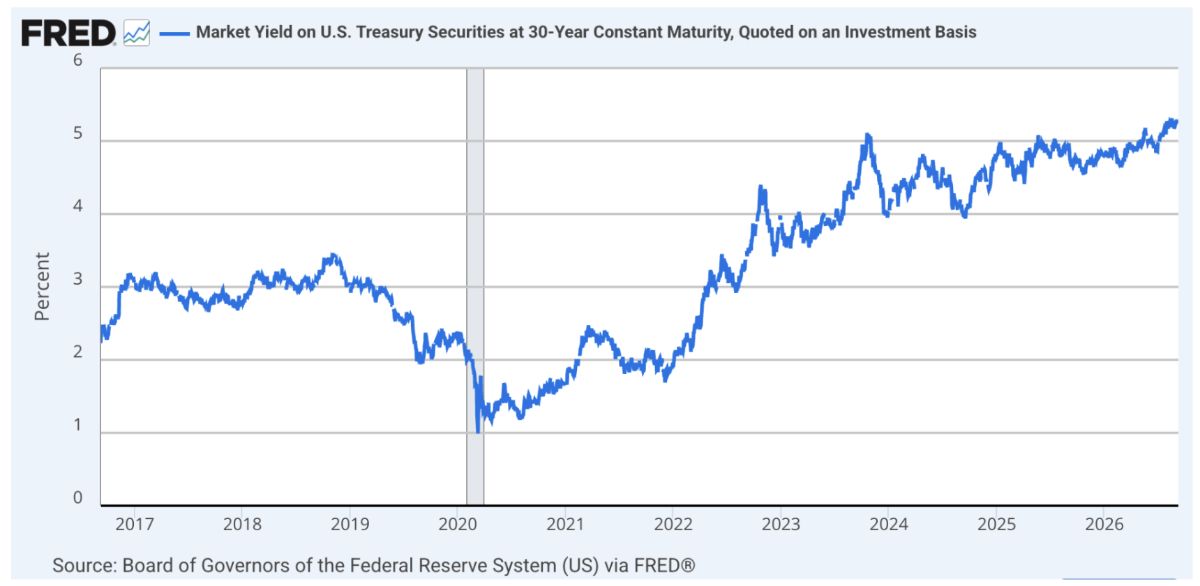
For about six hours, Treasury’s plan seemed to work; bond yields fell.
But by the following afternoon, the thirty-year bond yield was trading above where it had been before the announcement.
Then, on the following Monday, came the part nobody expected.
‘A subsidy to procrastination’
The most damaging attack on the bond buyback plan did not come from a political opponent. It came from Stanley Druckenmiller, the macro investor who ran George Soros's Quantum Fund, in an opinion piece for the Wall Street Journal.
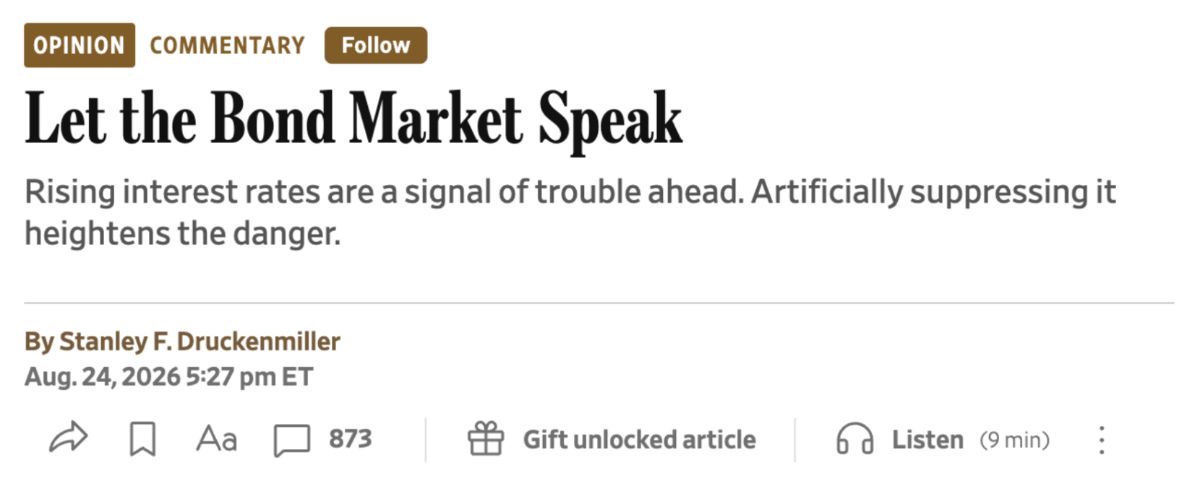
Sidenote: Druckenmiller later admitted he used AI to create the piece (no judgement).
Druckenmiller hired Scott Bessent in 1991. He mentored him for years afterwards.
The two spoke daily as Bessent built his own hedge fund career, long before Bessent became Treasury Secretary.
In September 1992, Bessent was twenty-nine and running Soros Fund Management’s London office. He worked out that the British government could not defend the pound’s fixed value against the German mark, because doing so meant raising interest rates, and most British mortgages at the time were variable rate.
The rate rises would have destroyed the country’s homeowners. So Bessent convinced George Soros that the government would have to fold. Druckenmiller ran the trade, shorting sterling on a scale that put most of the fund behind a single bet.
On September 16, the Bank of England raised rates twice in one day, exhausted its reserves defending the price, and abandoned the peg by evening. Soros made about a billion dollars and got the nickname The Man Who Broke the Bank of England.
Druckenmiller’s argument in the Journal was that his former student was now on the other side of that trade.
‘Every basis point of artificial yield suppression is a subsidy to procrastination’, he wrote.
‘Once markets believe Treasury is defending a price, every rise in yields becomes a test of official resolve, and the operations must grow to survive the tests.’
He called the long-term Treasury yield the only fiscal disciplinarian the United States had left.
The price of money
The US Treasury market trades about $1.2 trillion on an average day.
Bessent is planning to bring $4 billion per buyback operation — around a third of a percent of a single session’s average volume.
That is the scale of the thing he is trying to move.
The reason he is trying to move it is that American government debt passed $40 trillion this year.
About $8.4 trillion of it is due for repayment before December. The government doesn’t have that money. It has to borrow it again from whoever will lend, at whatever rate the market demands on the day.
So the bond market is where the price of money gets set. Mortgages are priced off it. Corporate borrowing is priced off it. Every government budget in the developed world is written against it.
Think of it like this: Equities tell you what investors hope. But bonds tell you what they will actually charge.
The merchant moneylenders of Venice
In 1172, the Doge of Venice (doge is Venetian dialect for duke — not kidding) needed a fleet.
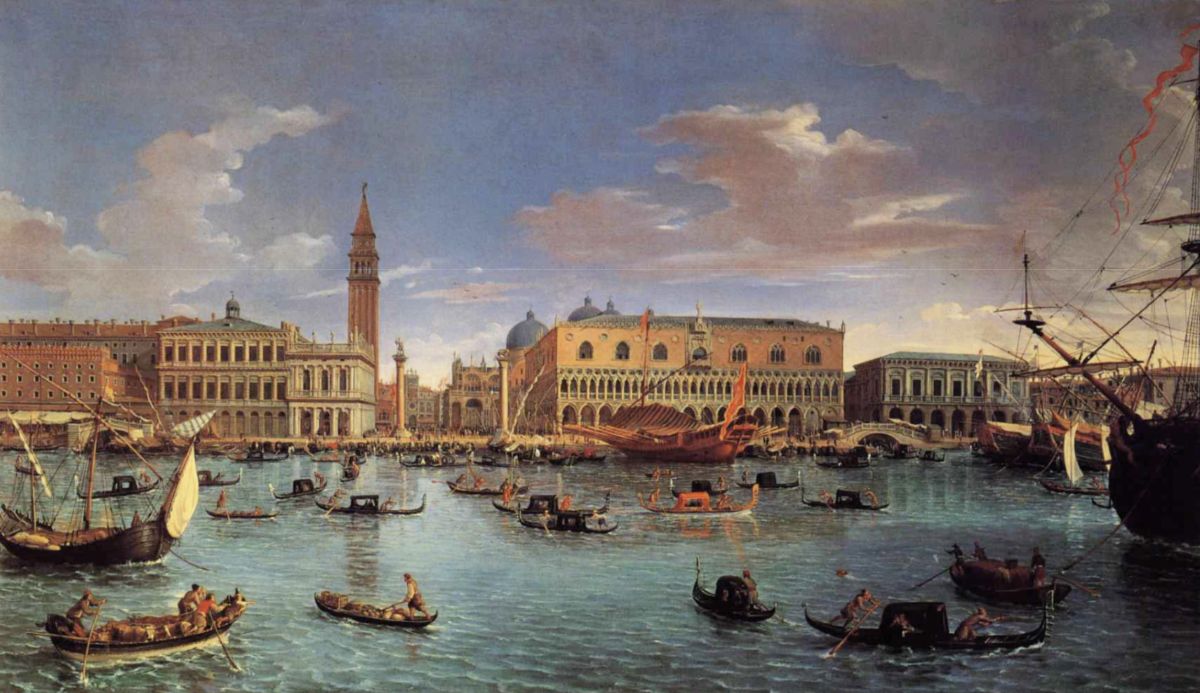
Rather than raise taxes, Sebastiano Ziani assessed the wealth of every prosperous citizen across the city’s six districts and simply took a proportion of it. Not as tax — as a loan. The state would pay it back, with interest.
These were called prestiti, and Venice’s merchants preferred them to taxation for an obvious reason; a tax takes money, but a loan gives it back with interest.
In 1262, Venice bundled its outstanding loans into a single fund and allowed people to trade them. If Venice owed you 100 ducats, you could now sell that claim to another investor.
What they’d pay depended on whether they thought Venice was good for it. After a run of military defeats in the fifteenth century, buyers would only pay 60 ducats for a 100-ducat claim.
That discount was the market’s verdict on the Venetian government, published daily, five hundred years before anyone thought to call it a bond market.
Four hundred years later, the same thing happened to a far bigger borrower.
Philip II of Spain ruled the most powerful empire on earth in the second half of the sixteenth century, funded by silver mined in conquered South America and shipped home by the fleet.
He suspended payments to his creditors four times — in 1557, 1560, 1575 and 1596. These are generally counted as the first great state bankruptcies in European history.
But his lenders did not abandon him. His short-term borrowing simply started costing more than fifteen percent, and the Genoese bankers who supplied it went on earning better than ten percent a year for their trouble.
That is what the discipline actually looks like. The bond market does not stop a government. It charges it.
Or, occasionally, removes it.
Bond market removes British PM in 27 days
On Friday, September 23, 2022, Liz Truss’s government announced £45 billion of tax cuts and no plan for how to pay for them.
Investors reached one conclusion: this government would have to borrow far more than it could afford. They sold the British government debt they held, and demanded a higher return before buying more. The rate Britain paid to borrow for thirty years jumped 0.8 percentage points over a weekend — an enormous move in a market that normally shifts in hundredths.
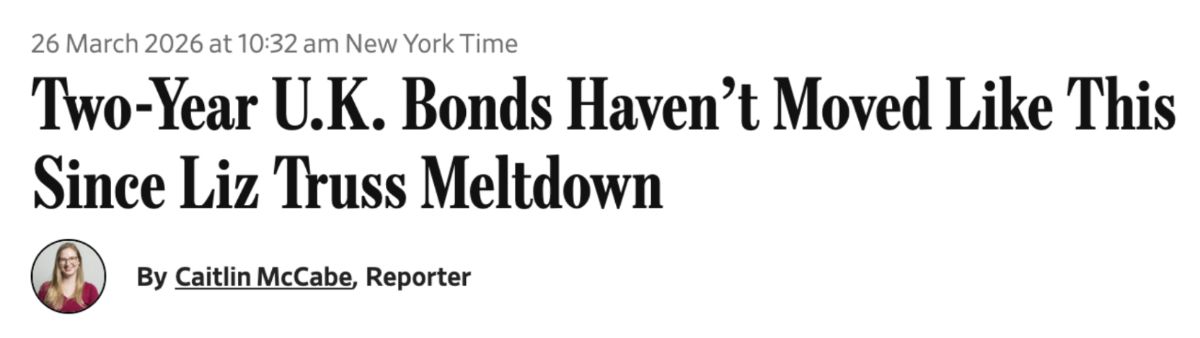
Then came the part nobody had modelled. British pension funds had borrowed using their government bonds as security. As those bonds fell in value, lenders demanded more security, and the only way to raise it quickly was to sell — pushing values down further and triggering more demands.
By the evening of September 27, fund managers were telling the Bank of England that several funds would collapse the next morning.
The Bank’s staff worked overnight and stepped in on September 28, buying £5 billion of bonds a day. UK pension assets fell by around £425 billion over the year.
Truss resigned 27 days after the announcement. No election, no vote. The bond market had effectively removed a British prime minister for making a promise it did not believe.
America has been here before
Here is the part missing from most of the coverage on the bond market situation.
In April 1942, at the Treasury’s request, the Federal Reserve agreed to cap the yield on long-term government bonds at 2.5%. Short-term bills were pegged at three-eighths of one percent. The purpose was to finance the war cheaply.
The United States ran that policy for nine years.
But it outlived the war it was designed for. Consumer price inflation hit 17.6% between June 1946 and June 1947, and the cap stayed. President Truman and his Treasury Secretary both wanted it kept, partly to protect the value of the war bonds ordinary Americans had been urged to buy.
In January 1951, Truman summoned the entire Federal Open Market Committee to the White House. Afterwards, his press secretary announced that the Fed had pledged to maintain the peg.
But the Fed had promised no such thing. Governor Marriner Eccles took a memorandum to the New York Times and the Washington Post and publicly contradicted the President of the United States.
By February, inflation was running at an annualized 21%. The Fed informed the Treasury it would no longer hold the line. The following month, the two institutions signed what became known as the Treasury–Fed Accord — the modern doctrine of central bank independence was born out of that fight.
An investor who bought US Treasury bonds in April 1942 and held them to the day of the Accord had lost roughly $27 in real terms on every $100 invested.
This graphic from James Lavish at The Informationist shows how things have gone since the Accord:
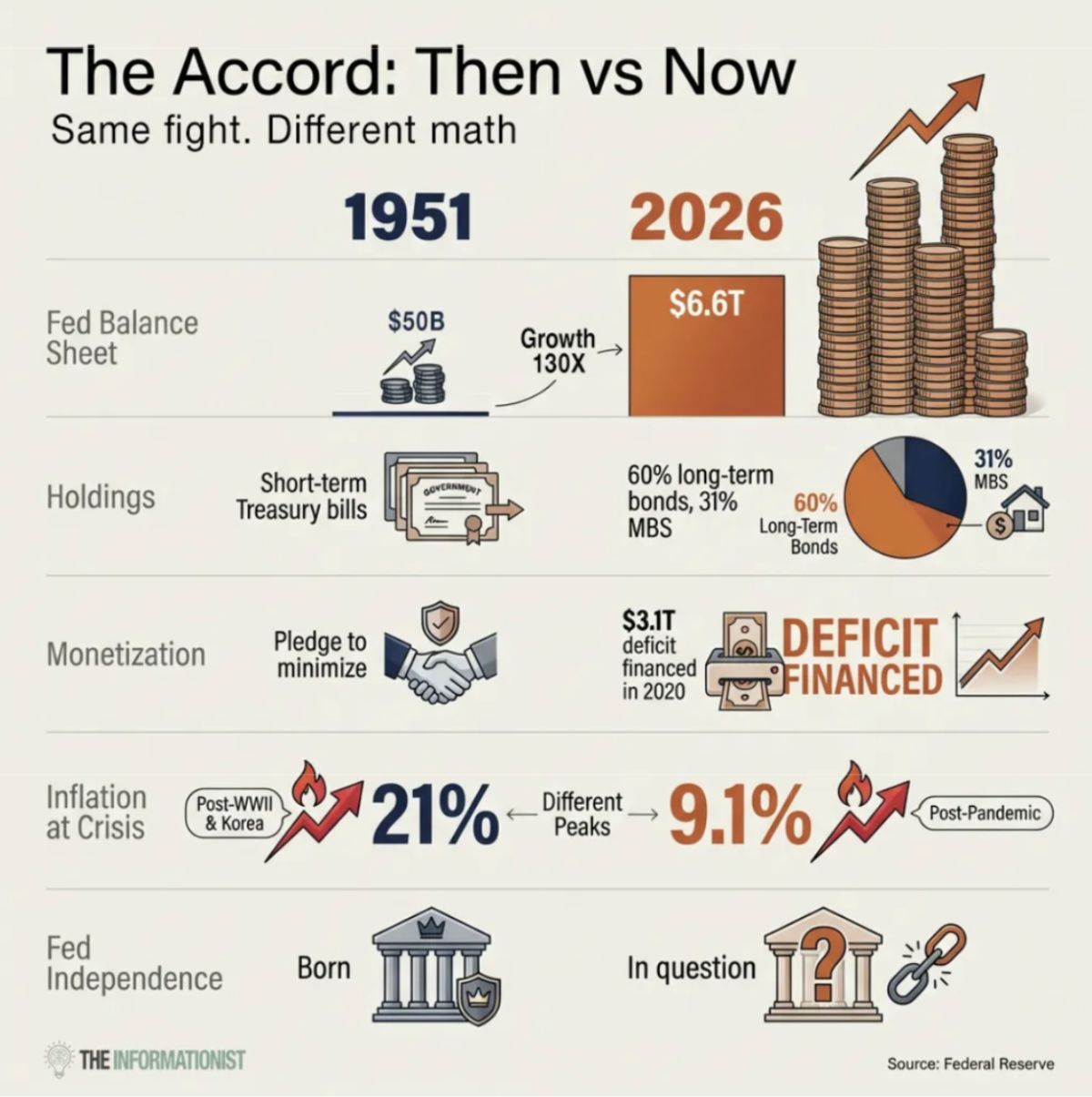
Suppressing a yield does not make the cost of borrowing disappear. It relocates it onto the person holding the bond, and it is collected in inflation.
Kevin Warsh, who became Federal Reserve chair earlier this year, called for a new Treasury–Fed accord in February.
On August 28, in his first Jackson Hole keynote, he argued that the Fed required market signals “as unfiltered as possible”, naming the prices and trading volumes of Treasury securities specifically.
He did not mention the buybacks.
A wider gap than 1929
Callum Thomas, who runs the macro research house Topdown Charts, published a chart last month showing the rolling 10-year return gap between US stocks and US bonds.
It has just passed 15% a year in favour of equities — the widest gap since 1960, and wider than the peak reached in 1929.
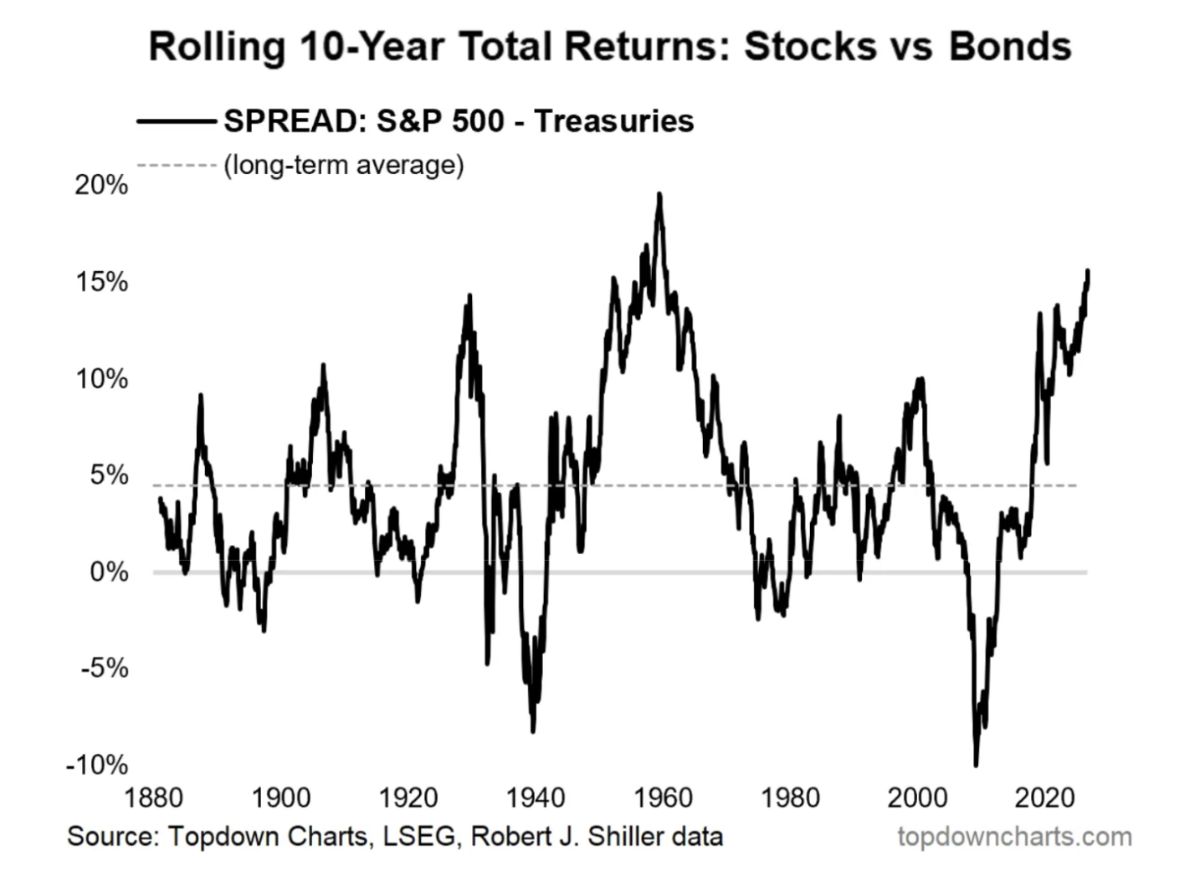
Most investors have had no reason to look at bonds for a decade. The gap has never been wider, and stocks have never been easier to own.
And now the Treasury Secretary has decided the bond market is saying the wrong thing.
The first expanded buyback operation ran on September 9. The verdict?
This chart dropped from The Kobeissi Letter as I was writing this piece:
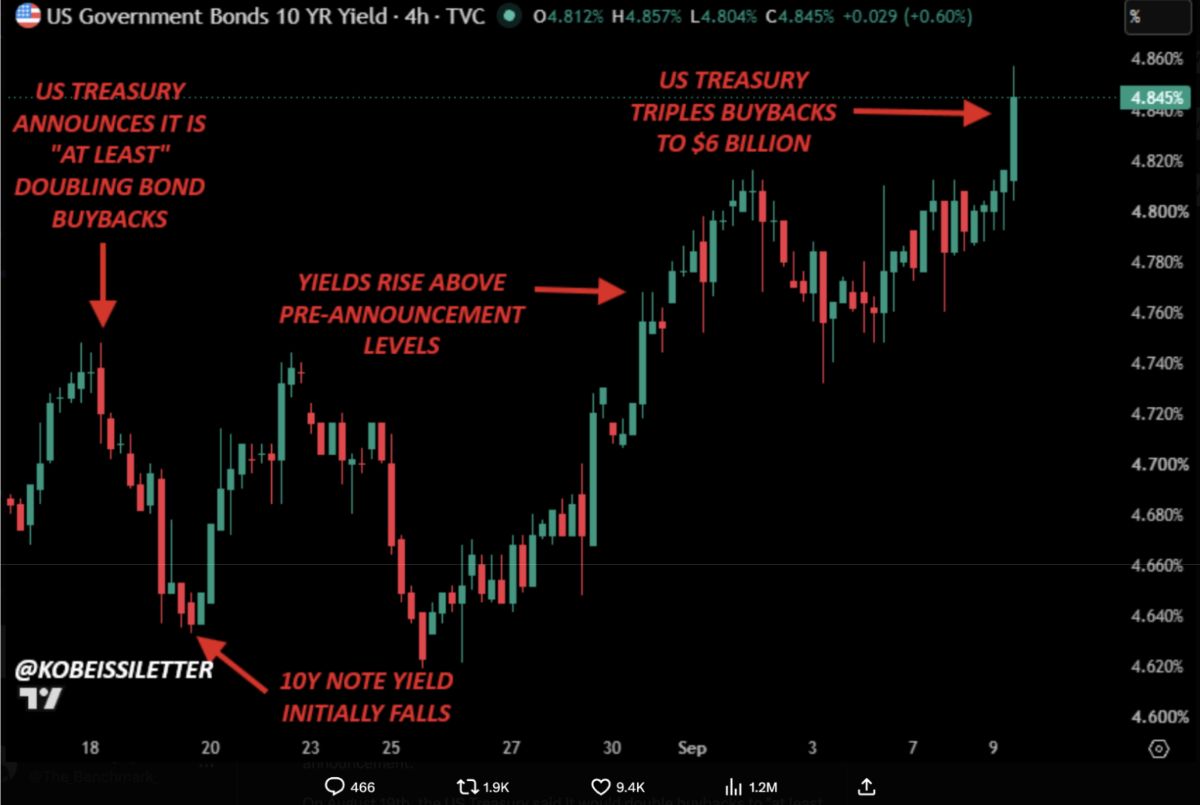
Druckenmiller has already offered his own take:
Governments defending prices against fundamentals always lose, and the only variable is how much they spend before conceding.
This week's quote:
"Reality is that which, when you stop believing in it, doesn't go away."
— Phillip K. Dick
Invest in knowledge,
Thom
The Benchmark
Read more: 250 Years of American Capital V: Risk, failure, venture and gain
Share: Forward this email to someone you know would appreciate it.
Connect: Add me on LinkedIn
Become a reader:Subscribe to The Benchmark.
Enjoyed this issue?
Subscribe to The Benchmark
Weekly insights on markets, investing, and portfolio strategy.